Steel Structure Procurement Guide
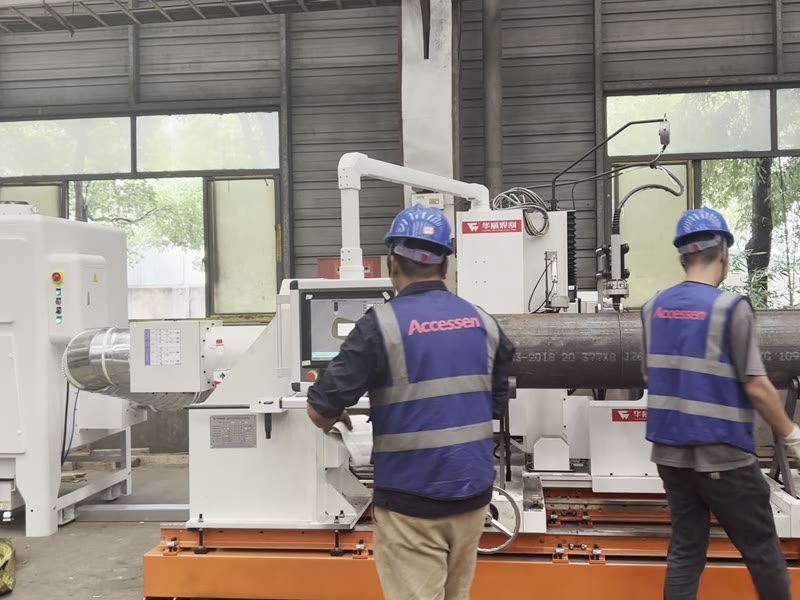
A practical checklist for buyers sourcing custom-cut tubular steel components, covering drawings, digital cutting data, inspection points, dust control and export packing.
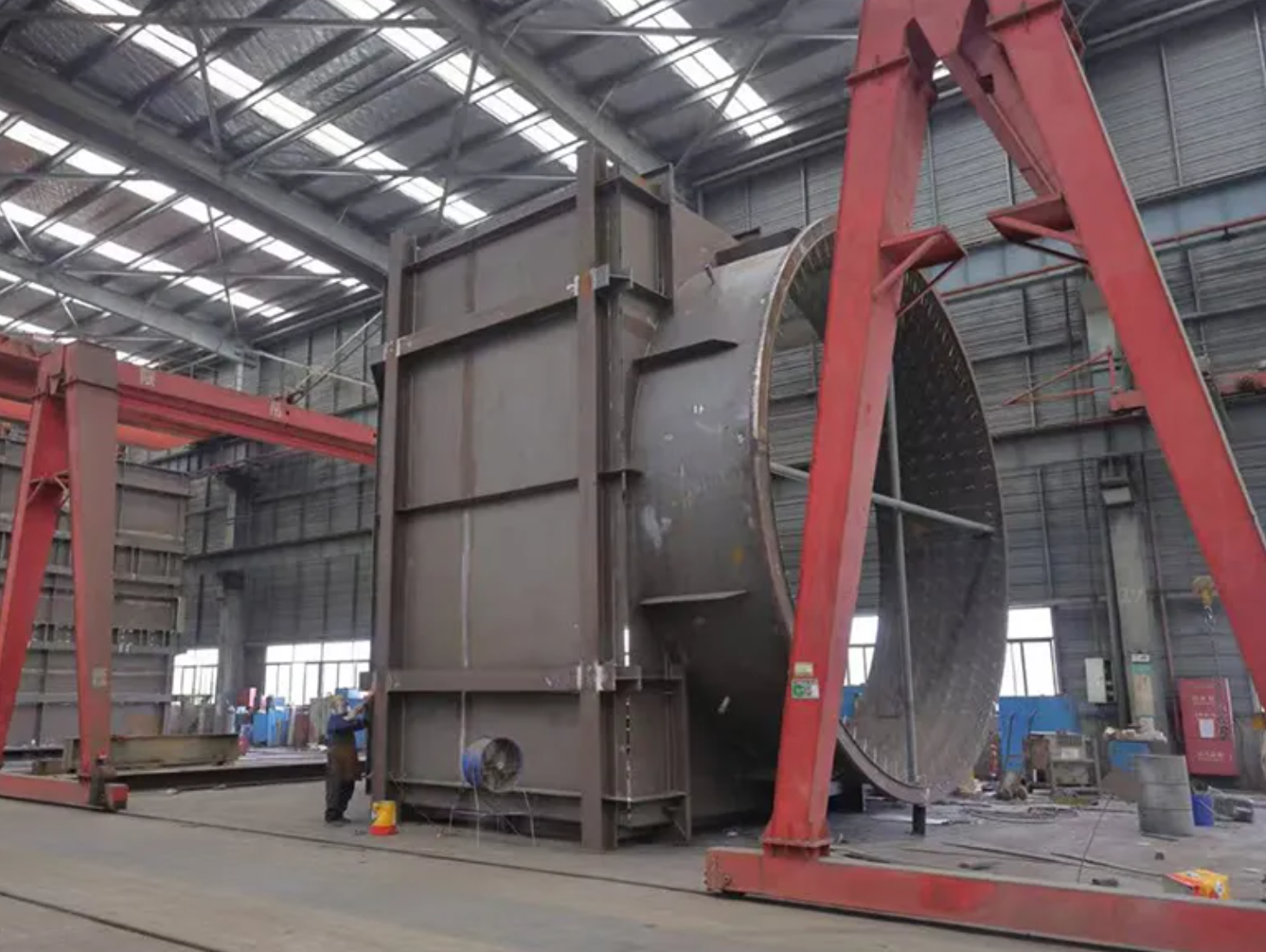
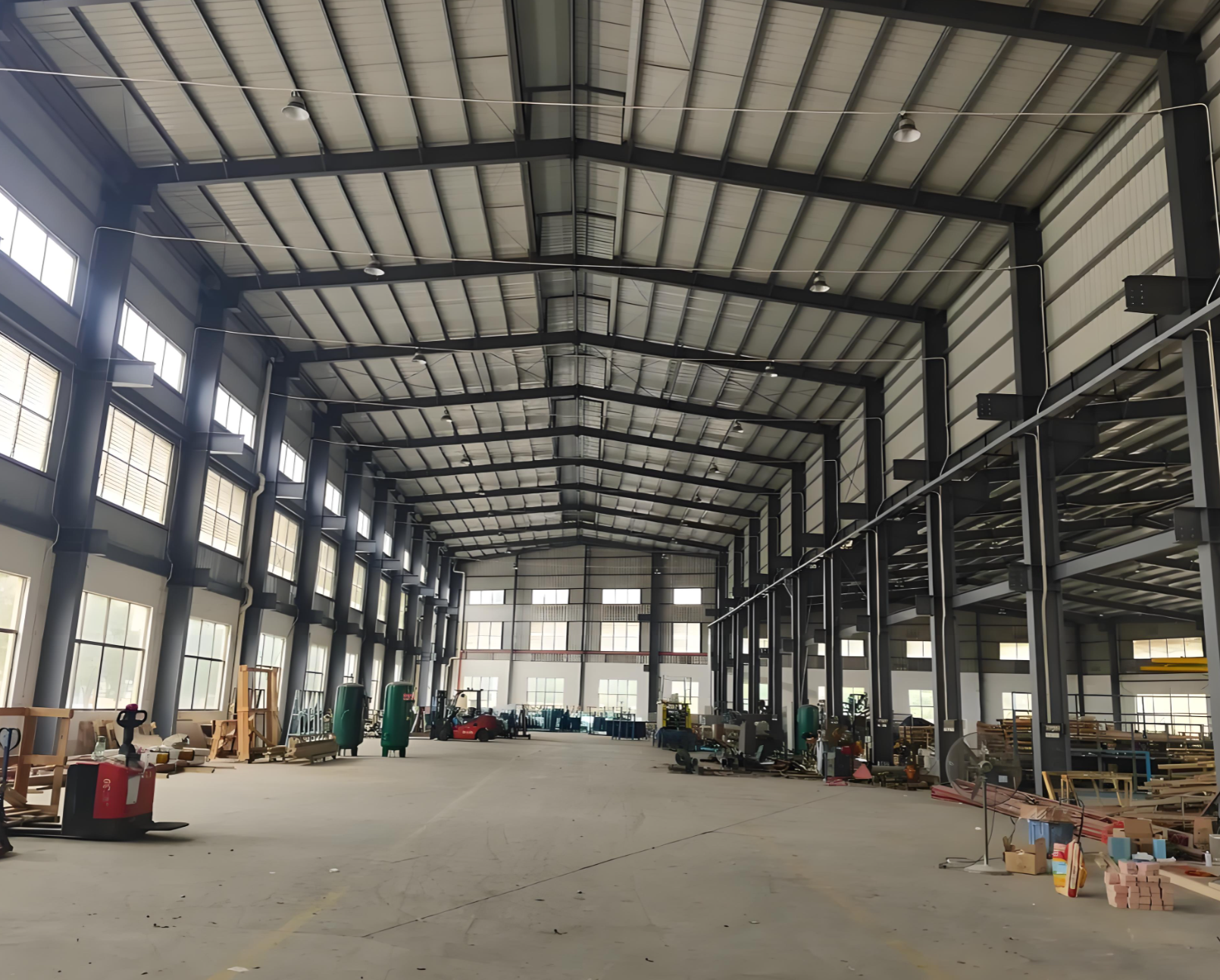
Heavy machinery manufacturing plants need steel structure workshops with strong load capacity, large-span space, overhead crane systems, equipment foundations, ventilation, durable floor design, and reliable fabrication quality. A well-designed workshop can improve production flow, lifting safety, and long-term operation efficiency.
Steel structure base plates are one of the most vulnerable areas for corrosion because they are located near the foundation, exposed to rainwater, ground moisture, dust accumulation, and poor drainage conditions. Proper design, surface treatment, installation, and maintenance can significantly extend the service life of steel structures.
Biomass power plant projects require steel structure buildings with strong load capacity, corrosion protection, ventilation, fire safety, equipment support, and efficient material flow. A suitable steel building solution can support fuel storage, boiler areas, conveyor systems, turbine halls, maintenance workshops, and auxiliary facilities.
Industrial steel buildings need better ventilation design because heat, dust, moisture, fumes, odors, and equipment exhaust can affect worker safety, product quality, steel corrosion, and long-term building performance. Ventilation should be planned together with roof, wall, insulation, drainage, and equipment layout before construction.
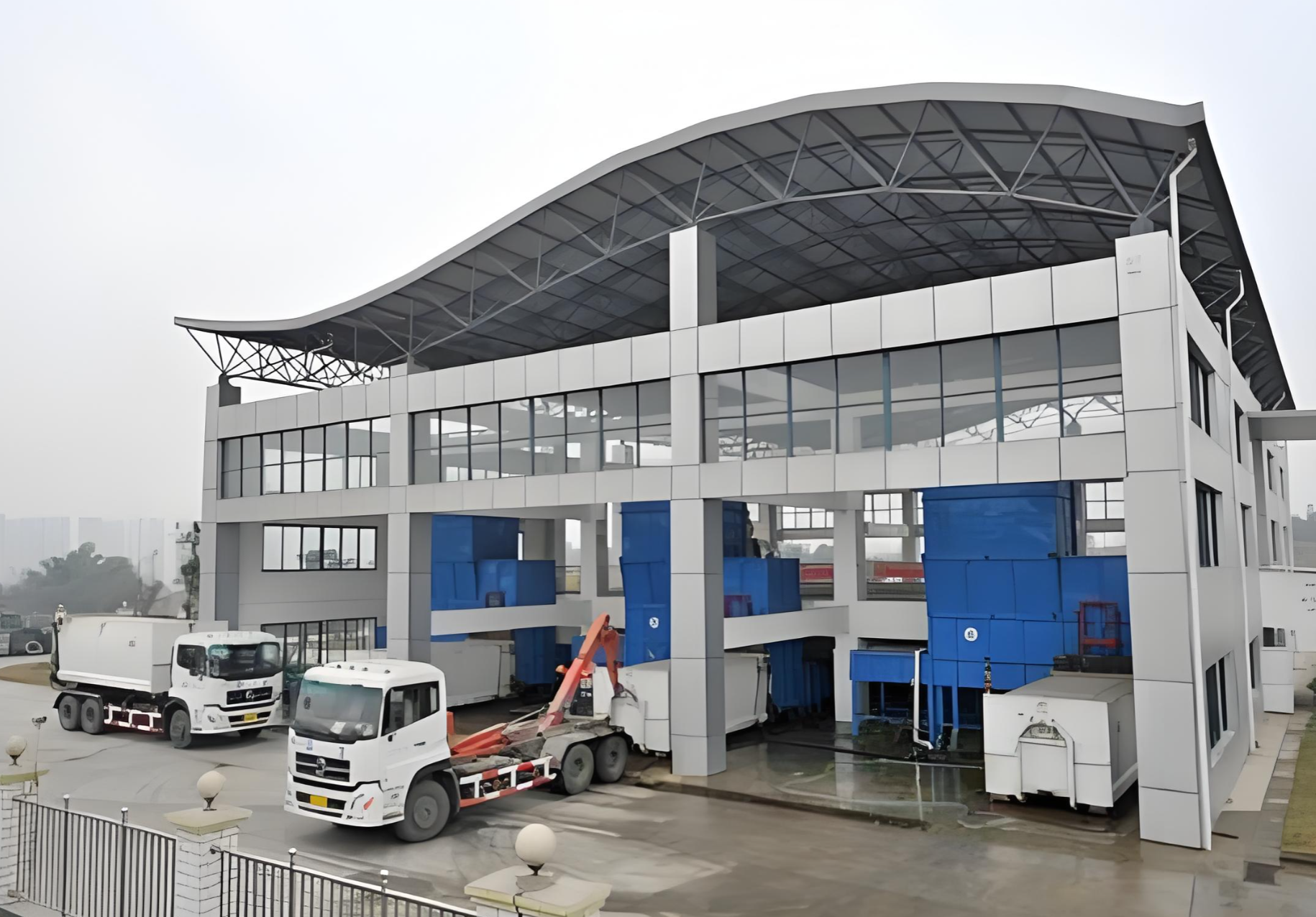
Waste transfer stations need steel structure buildings with large open space, strong corrosion protection, good ventilation, efficient truck access, durable roof and wall systems, and reliable equipment support. Choosing the right steel building solution helps reduce construction risk and improve long-term waste handling efficiency.
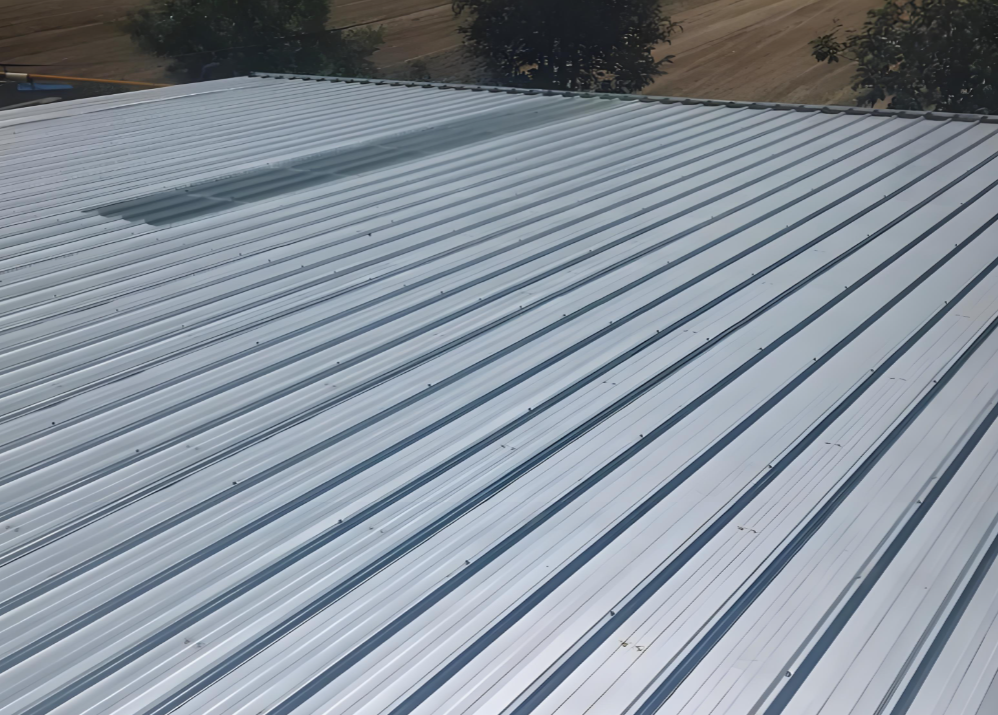
After several years of use, steel structure roof panels may develop leakage, loose screws, coating fading, corrosion, panel deformation, condensation, gutter blockage, and flashing damage. Understanding these problems helps buyers improve roof design, installation quality, and long-term maintenance planning.
Steel structure grain storage buildings require careful planning of storage capacity, ventilation, moisture control, loading and unloading routes, structural loads, roof design, corrosion protection, and fire safety. A well-designed grain storage building helps protect grain quality and improve long-term operation efficiency.
Steel warehouse expansion projects often exceed budget because buyers underestimate foundation work, structural connection changes, roof and wall matching, drainage redesign, operation interruption, installation difficulty, and hidden material costs.
Steel structure buildings in humid areas face higher risks of corrosion, condensation, coating damage, roof leakage, and fastener failure. To extend service life, buyers should focus on anti-corrosion design, surface treatment, ventilation, drainage, insulation, packing protection, and regular maintenance from the beginning of the project.


 202610-02A practical checklist for buyers sourcing custom-cut tubular steel components, covering drawings, digital cutting data, inspection points, dust control and export packing.