

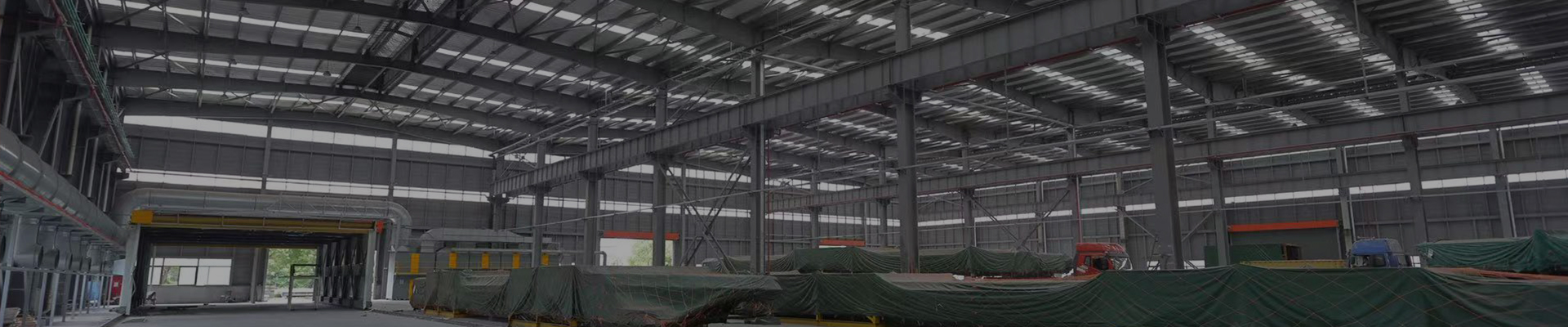
Digital Genesis: From 3D Model to CNC Code for Flawless Material Preparation
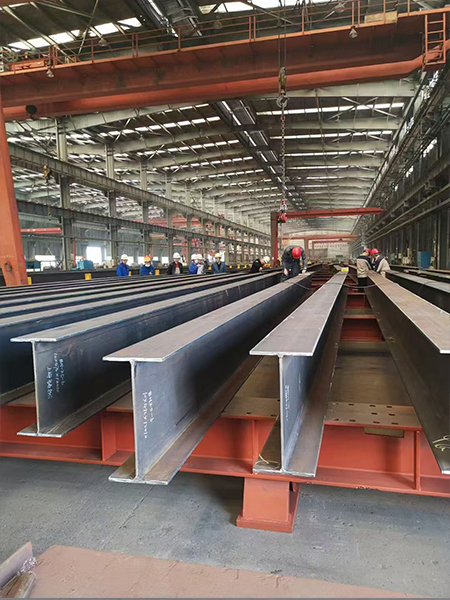
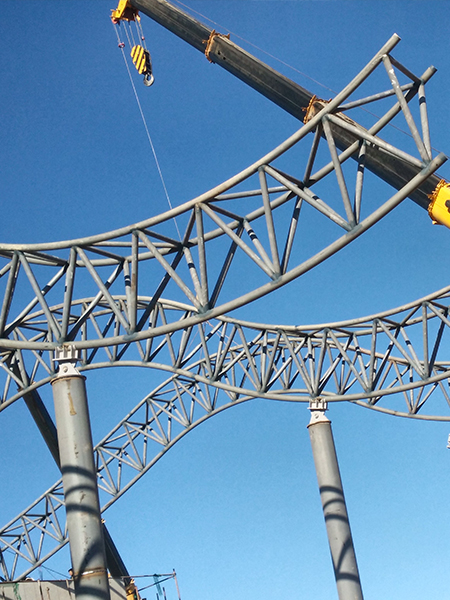
The journey to millimeter precision begins not on the shop floor, but in the digital realm. Advanced Building Information Modeling (BIM) and 3D modeling software generate the absolute digital twin of every structural component. This model is not merely a visual representation; it contains the exact geometric data, connection details, and material specifications. This data is then translated into machine-readable Computer Numerical Control (CNC) code, which acts as the DNA for the fabrication process. For cutting, this code governs CNC plasma cutters and high-definition laser cutting systems. These machines interpret the digital blueprint with absolute fidelity, slicing through steel plates—whether high-strength S355 or ASTM A572—with a tolerance often as tight as ±0.5mm. The process eliminates the human error inherent in manual template marking and torch cutting. Complex geometries for gusset plates, end plates, and knife plates are produced with perfectly clean edges and precisely located bolt holes, ensuring that every piece is a perfect physical match to its digital counterpart. This stage of flawless material preparation is the critical foundation upon which all subsequent precision assembly and welding depend.
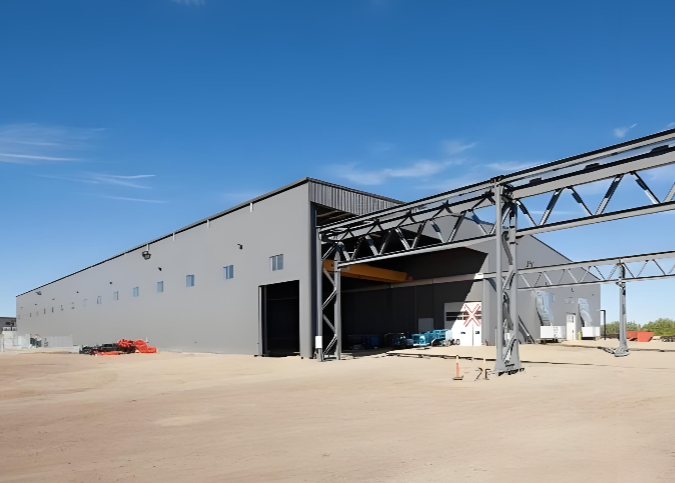
Robotic Welding and Precision Fixturing for Structural Integrity
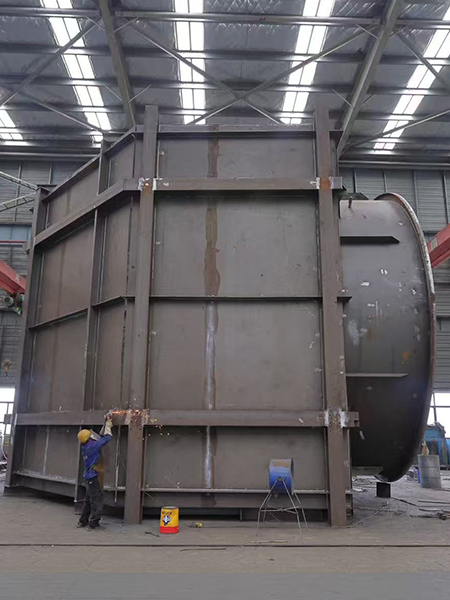
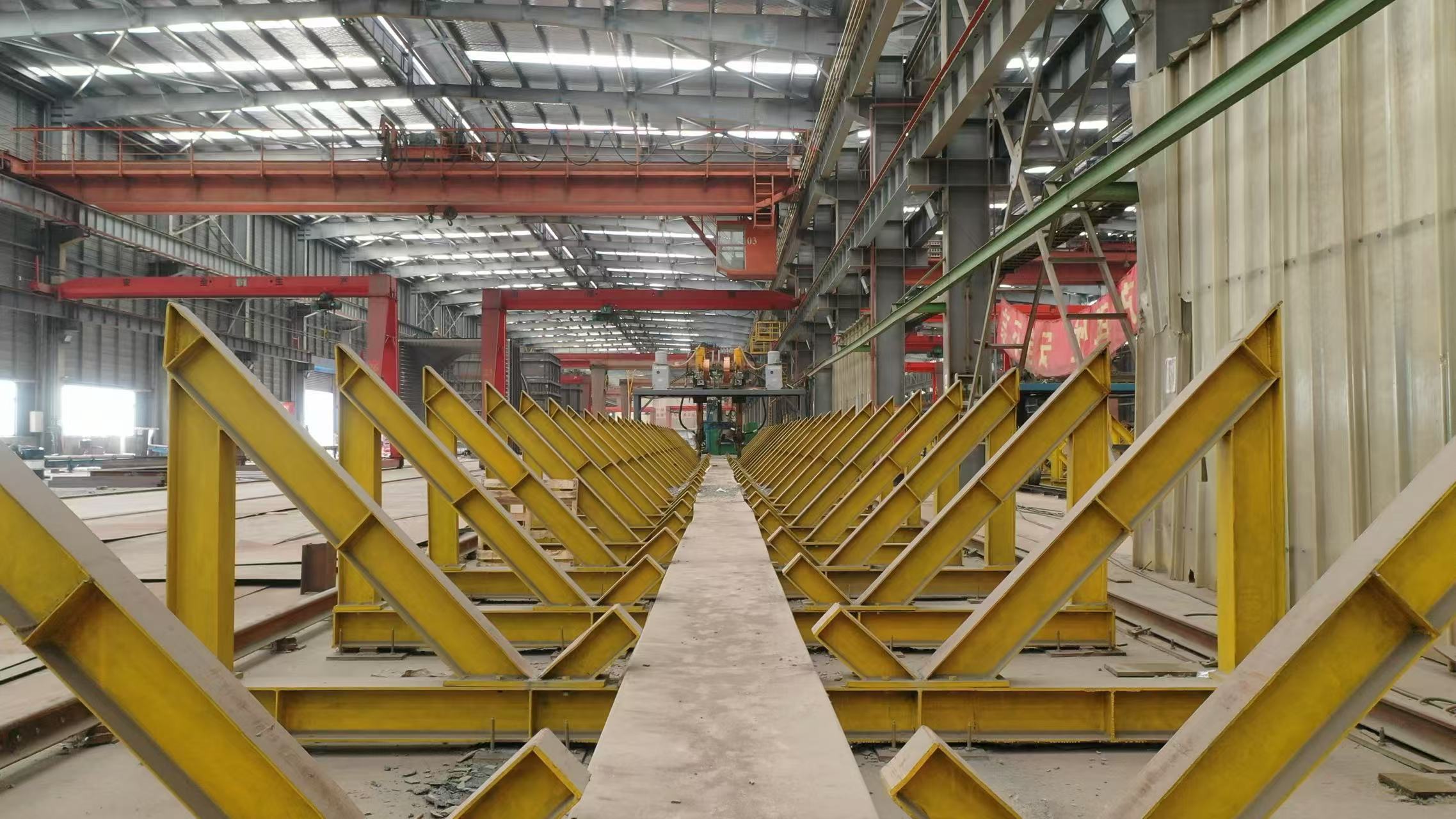
With components cut to exact dimensions, precision shifts to assembly and the permanent bonding of joints. Here, precision welding fixtures and jigs play a pivotal role. Components are clamped into these fixtures, which are themselves calibrated to micrometer accuracy, ensuring that all parts are held in the correct spatial relationship before a single weld is deposited. This eliminates fit-up errors and guarantees perfect alignment. The welding itself is where technology ensures consistency and quality. Automated welding systems, including robotic welders and submerged arc welding setups, are programmed with the exact welding parameters—wire feed speed, voltage, travel speed, and pattern. For critical moment-resisting connections or seismic ductile detailing, these systems execute long, continuous welds with superhuman consistency, penetrating deeply and creating a uniform weld profile. The heat input is precisely controlled to minimize distortion and residual stress, preserving the dimensional accuracy of the assembled piece. Qualified welders at a certified shop like Dunbon oversee this process, following strict Welding Procedure Specifications (WPS) qualified to standards like AWS D1.1 or ISO 3834, ensuring that every weld not only looks perfect but also meets the rigorous mechanical properties required for structural integrity.
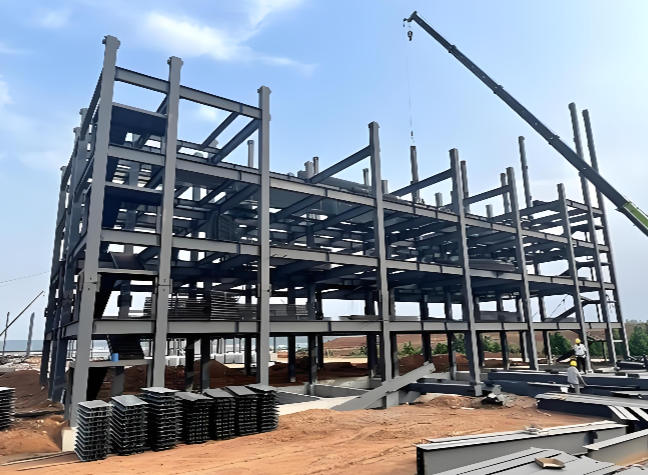
Verification and Quality Assurance: The Final Check for Certified Precision
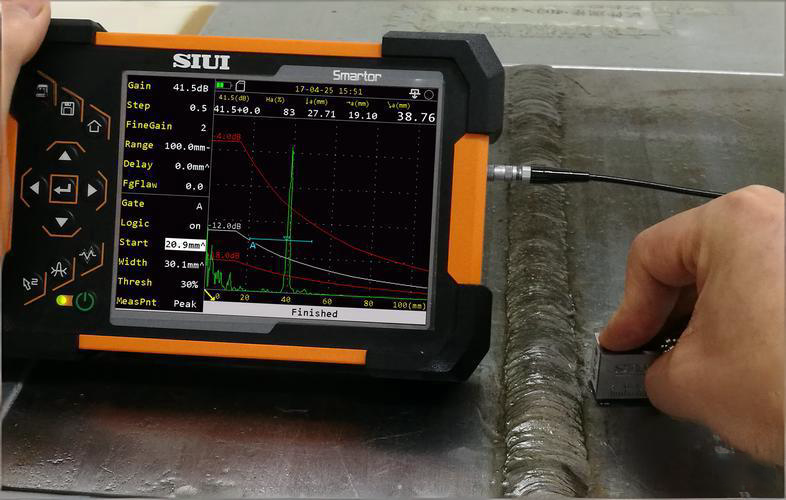
The final, non-negotiable step in ensuring millimeter precision is a rigorous regime of verification. Precision is not assumed; it is measured and documented. After welding, critical assemblies are checked using advanced laser scanning or total station measurements, comparing the as-built component directly against the original 3D model to verify dimensional compliance. For welds, Non-Destructive Testing (NDT) methods are employed. Ultrasonic Testing (UT) is used to detect subsurface flaws in critical butt welds, while Magnetic Particle Testing (MT) or Dye Penetrant Testing (PT) checks for surface cracks. This quality assurance process is integral to certifications like EN 1090, which mandates specific tolerances and inspection protocols for different Execution Classes (e.g., EXC4 for highly stressed components). Every component that passes this gauntlet carries with it a documented pedigree—from its material mill certificate to its cutting program, welding protocol, and inspection report. This provides the ultimate assurance to engineers and clients: that the steel components delivered to site will fit together seamlessly, the bolt holes will align perfectly, and the structure will behave exactly as designed, translating digital precision into physical reality.
Related product and article resources
For procurement comparison and technical evaluation, readers can continue with these related product pages and supporting articles.
- Products
- Product catalog
- Contact the sales team
- Contact us
- 10 Questions to Ask Before Hiring a Steel Structure Supplier for Your Project
- A Detailed Look at Steel Portal Frames: The Backbone of Modern Industrial Sheds
- A Guide to Prefabricated Steel Components
- Acoustic and Thermal Insulation Solutions for Steel Structures
Millimeter precision in steel fabrication is not an accident; it is the engineered outcome of a fully digitized, automated, and rigorously verified process chain. CNC cutting translates perfect digital models into physical parts, automated welding joins them with unerring consistency, and comprehensive metrology confirms the result. This synergy of technologies is what allows modern fabricators to deliver structures of breathtaking scale and complexity with the exactness required for safety, performance, and seamless construction. In an industry where tolerance stack-ups can lead to costly delays, this commitment to precision is the bedrock of reliability and value.