


Steel Structure Corrosion Prevention Guide
How To Prevent Corrosion Around Steel Structure Base Plates
Steel structure base plates are one of the most vulnerable areas for corrosion because they are located near the foundation, exposed to rainwater, ground moisture, dust accumulation, and poor drainage conditions. Proper design, surface treatment, installation, and maintenance can significantly extend the service life of steel structures.
Get Quote1. Why Base Plates Corrode Faster Than Other Areas
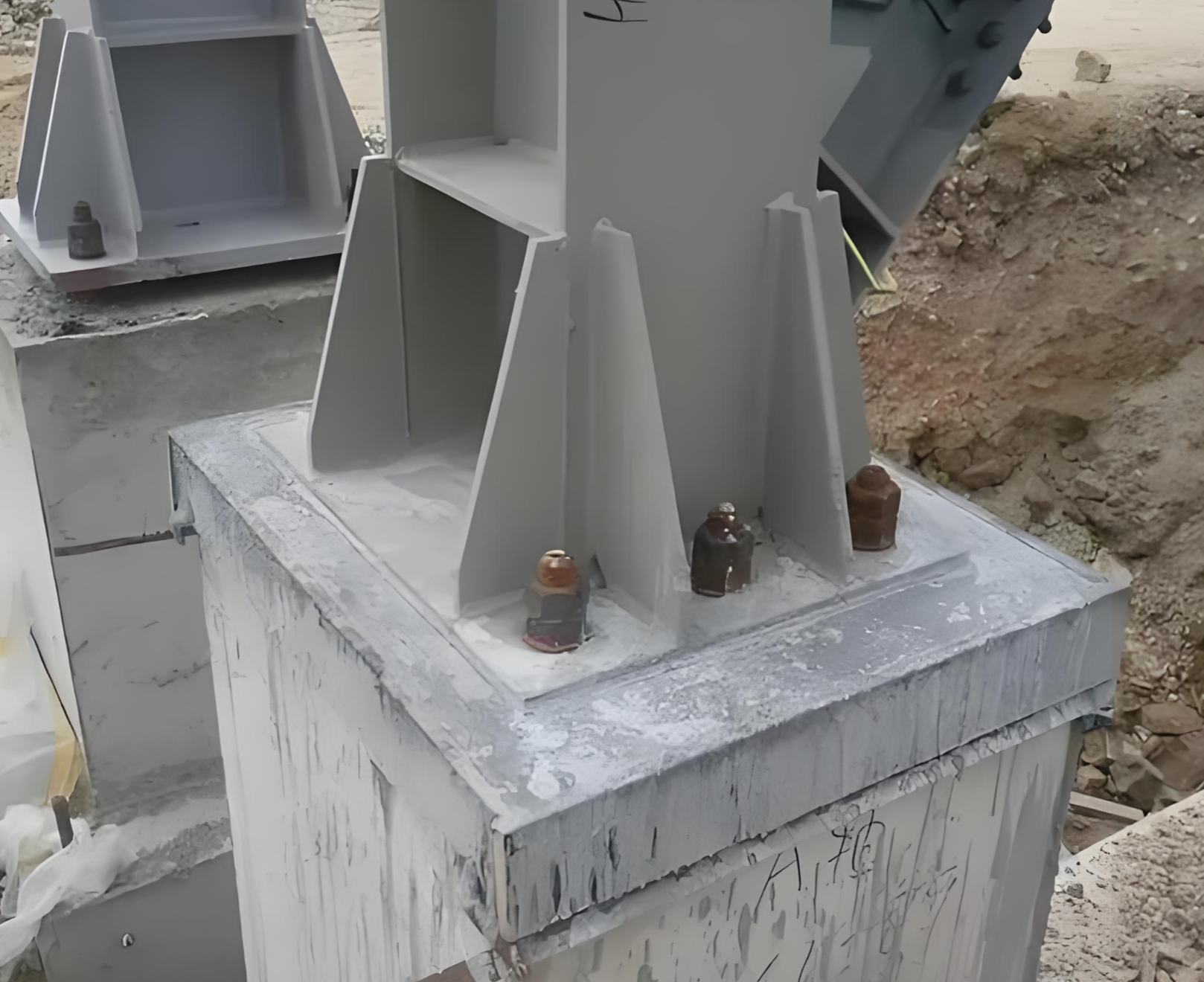
Base plates sit at the connection between steel columns and concrete foundations. This area often traps moisture, mud, dust, salt, industrial residue, and cleaning water.
Unlike roof structures that dry quickly after rain, base plates can stay wet for extended periods. In humid, coastal, agricultural, mining, chemical, and waste-processing environments, corrosion may develop much faster around column bases than in elevated steel members.
If corrosion is ignored, it may eventually affect anchor bolts, welds, connection plates, and load-bearing performance.
2. Improve Drainage Around Foundations
Poor drainage is one of the main causes of base plate corrosion.
Water should never be allowed to collect around steel column foundations. Site grading, drainage channels, floor slope, and foundation detailing should direct water away from steel connections.
Buyers should check:
Foundation drainage design
Floor slope direction
Rainwater discharge routes
Gutter and downpipe locations
Surface water accumulation points
Good drainage significantly reduces corrosion risk throughout the building life cycle.
3. Use Suitable Surface Treatment
Base plates often require stronger protection than other steel members.
Depending on project conditions, buyers may consider:
Hot-dip galvanizing
Zinc-rich primers
Heavy-duty anti-corrosion coatings
Epoxy coating systems
Protective sealants around base connections
Surface treatment specifications should clearly define blasting grade, primer type, coating thickness, repair procedures, and maintenance requirements.
4. Protect Anchor Bolts And Weld Areas
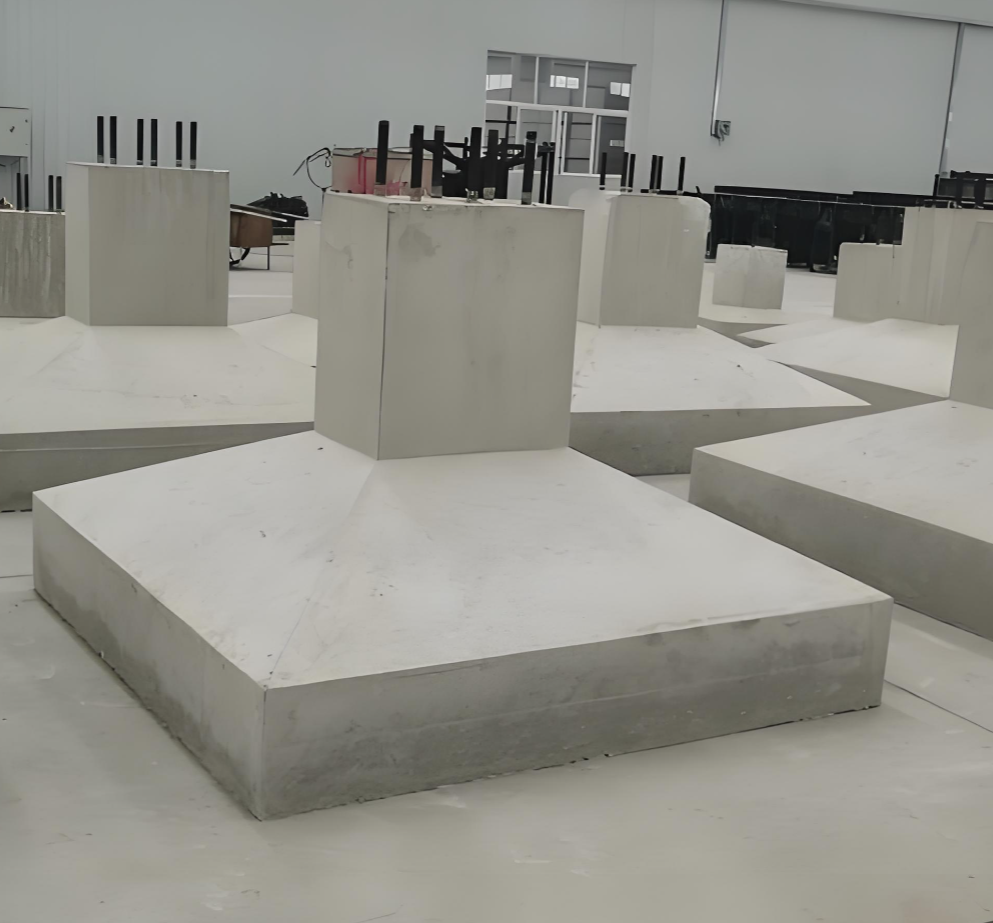
Corrosion often begins around anchor bolts, weld toes, grout gaps, and exposed steel edges.
During installation, contractors should ensure:
Anchor bolts are properly coated
Welds are fully protected
Coating damage is repaired immediately
Base plate edges are sealed when required
Even small coating defects can become major corrosion points after years of exposure.
5. Reduce Moisture And Chemical Exposure
In industrial environments, corrosion is not caused only by water.
Chemical residue, fertilizers, salt, cleaning chemicals, wastewater, biomass materials, and industrial dust may accelerate corrosion around base plates.
If the project operates in these conditions, additional protective systems should be considered during design rather than after corrosion appears.
6. Schedule Regular Inspection And Maintenance
Base plate corrosion is easier to control when discovered early.
Maintenance plans should include:
Visual corrosion inspection
Coating condition checks
Anchor bolt inspection
Drainage cleaning
Touch-up painting
Water accumulation monitoring
Small repairs can prevent expensive structural rehabilitation later.
Base Plate Corrosion Prevention Checklist
Drainage Design
Prevent standing water around foundations and column bases.
Protective Coating
Use suitable galvanizing or anti-corrosion systems.
Connection Protection
Protect anchor bolts, welds, edges, and damaged coating areas.
Maintenance
Inspect regularly and repair minor corrosion before it spreads.
Conclusion
Corrosion around steel structure base plates is one of the most common long-term maintenance problems in industrial buildings.
Through proper drainage, protective coatings, anchor bolt protection, environmental control, and routine inspection, buyers can significantly extend the service life of steel structures and reduce maintenance costs.
Need Better Corrosion Protection For Your Steel Structure?
Send us your project environment, drawings, and corrosion protection requirements for a professional steel structure solution.
Contact Us Get QuoteProject Buyer Focus For How To Prevent Corrosion Around Steel Structure Base Plates
This guide should help buyers connect a steel structure problem with a real project decision. For workshops, warehouses, industrial plants, hangars, recycling plants, grain storage buildings, feed mills, and expansion projects, the important questions are load conditions, span, column grid, roof system, corrosion protection, ventilation, drainage, crane load, construction sequence, and site inspection requirements.
Steel Structure RFQ Checklist
- confirm building use, span, eave height, roof slope, column spacing, and local wind or snow load before quotation
- prepare drawings, site photos, equipment layout, crane requirement, and future expansion plan where possible
- check coating system, galvanized parts, drainage design, ventilation, and corrosion risk for humid or coastal areas
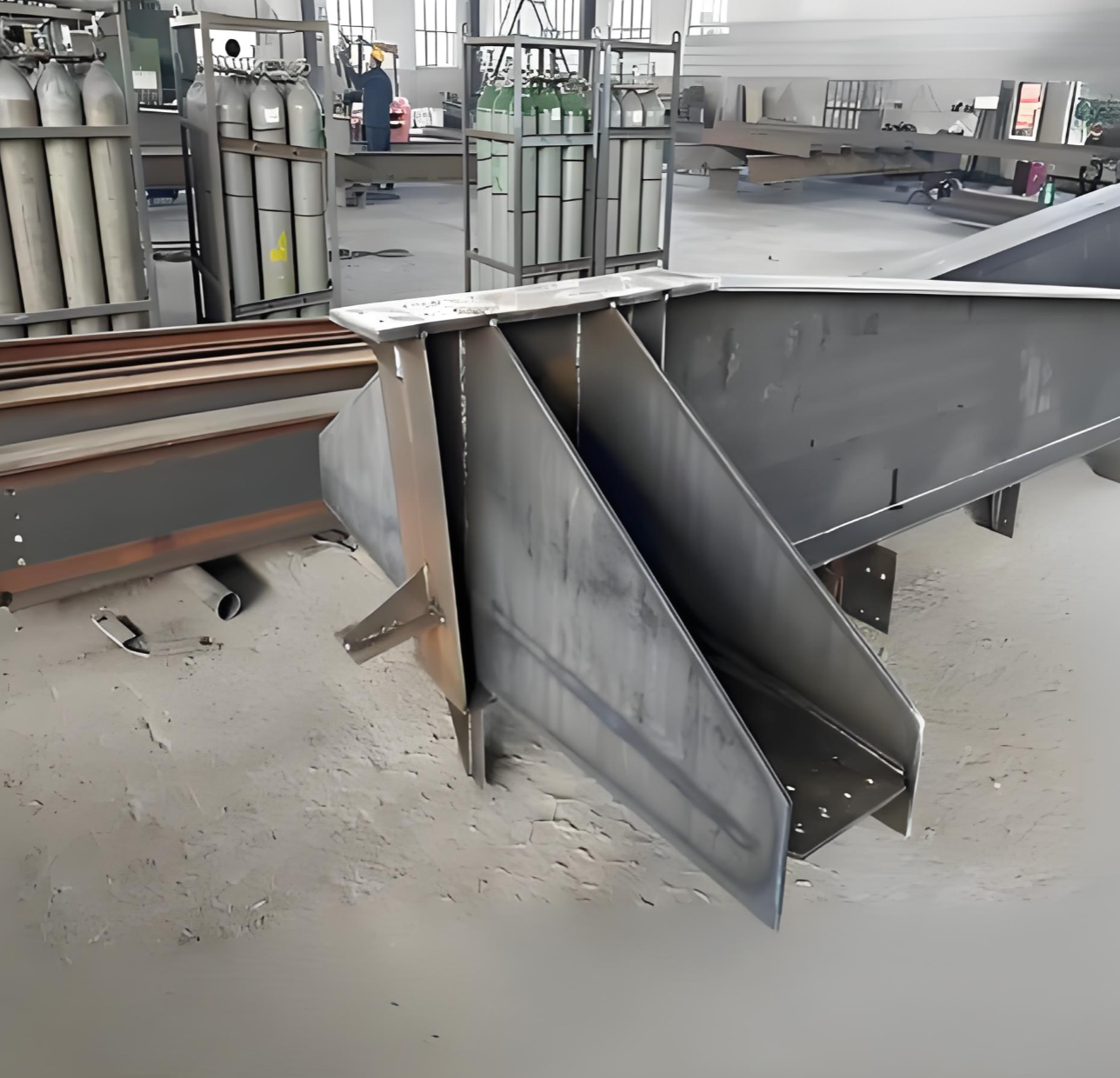
- review fabrication tolerance, bolt connection, base plate detail, roof panel fixing, and installation sequence
- ask how design, detailing, fabrication, shipping, and site support are coordinated during the project
Related Dunbon Steel Structure Pages
The following internal links guide visitors from the article to relevant Dunbon products, engineering capability, component pages, cases, and factory information.
- Steel Structure Buildings
- Pre Engineered Steel Building System
- Prefabricated Steel Structure Design
- Steel Structure Components
- Steel Structure Design And Detailing
- Industrial Park Steel Structure Factory Buildings
- Automotive Company Steel Structure Factory Building
- Steel Structure Expansion For Chemical Plants
- Engineer Design Products
- Steel Structure Components Category
- Industrial Steel Structure Buildings
- Dunbon Cases
- Dunbon Factory
- Product Testing Center
Extra Engineering And Acceptance Notes
Before approving a steel structure supplier, buyers should compare more than the steel tonnage. A practical review should include structural design assumptions, detailing quality, connection drawings, material certificates, welding inspection, coating thickness, packing method, installation guidance, and the way changes are handled after site measurement. These details help reduce hidden cost during construction and make the article more useful for project owners who are close to requesting a quotation.
For projects with cranes, heavy equipment, corrosive environments, long spans, or staged expansion, the buyer should also confirm deflection limits, bracing layout, base plate anchoring, roof drainage, wall panel interface, and maintenance access. Adding these checks gives search visitors a clear next step and helps the page support traffic, trust, and inquiry conversion rather than only adding keyword text.
Delivery And Site Acceptance Notes
For steel structure projects, the final result depends on both factory fabrication and site coordination. Buyers should confirm the approved drawing version, member marks, bolt list, packing sequence, coating repair method, installation drawings, foundation readiness, lifting plan, and inspection records before shipment. If the building includes cranes, heavy machinery, storage loads, corrosive process areas, or future expansion, these details should be checked earlier because small omissions can create expensive changes during erection.
A good quotation discussion should also cover material certificates, welding inspection, surface treatment, roof and wall panel interface, drainage, ventilation, and maintenance access. These practical points help project owners compare suppliers by engineering support and delivery reliability, not only by steel weight or unit price.