Waste-to-Energy Plant Steel Structure
- Dunbon
- Taicang, Suzhou, China
- According to project schedule
- 40000 tons/year
Waste-to-Energy Plant Steel Structure
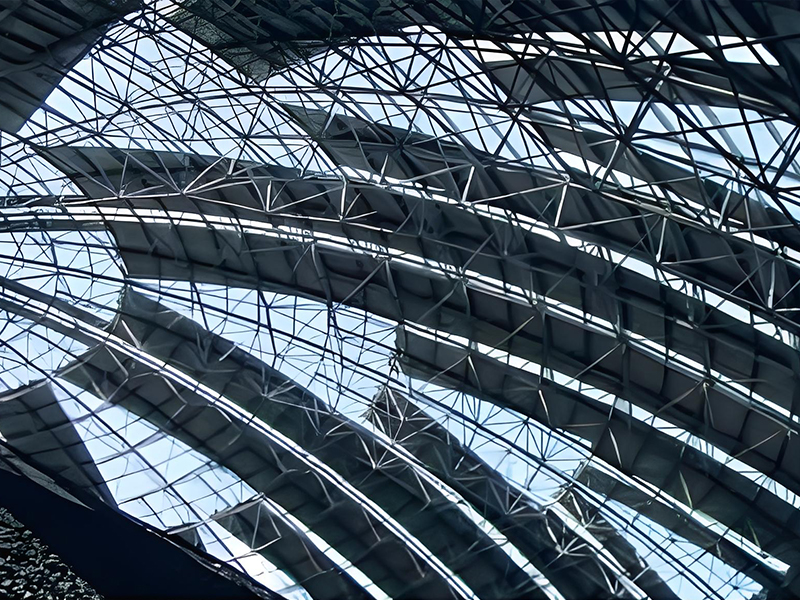
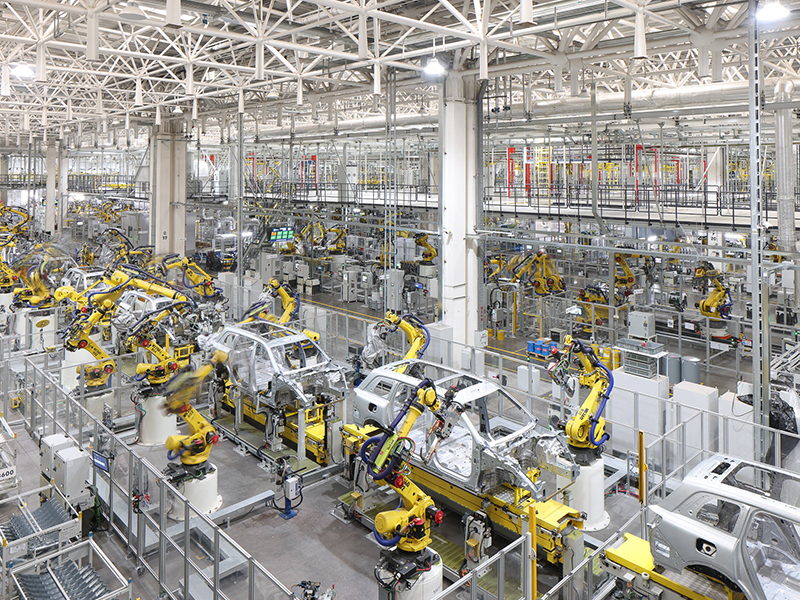
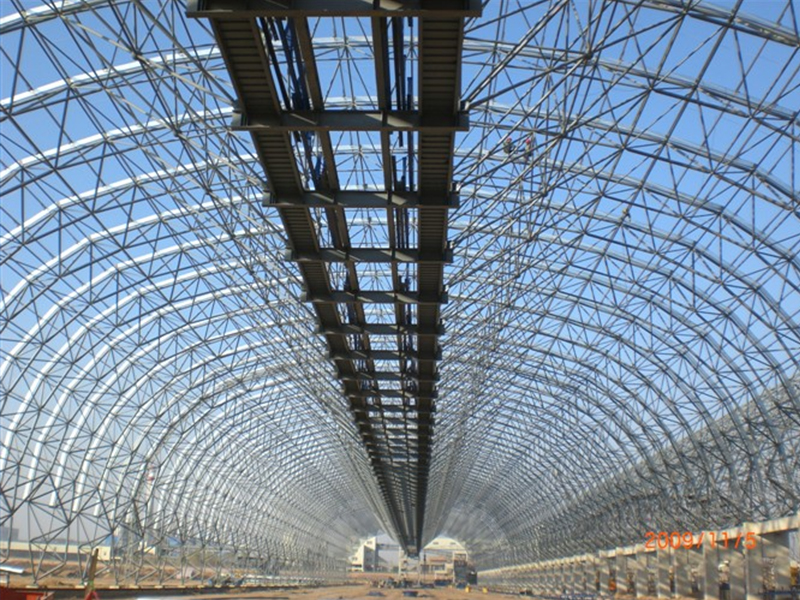
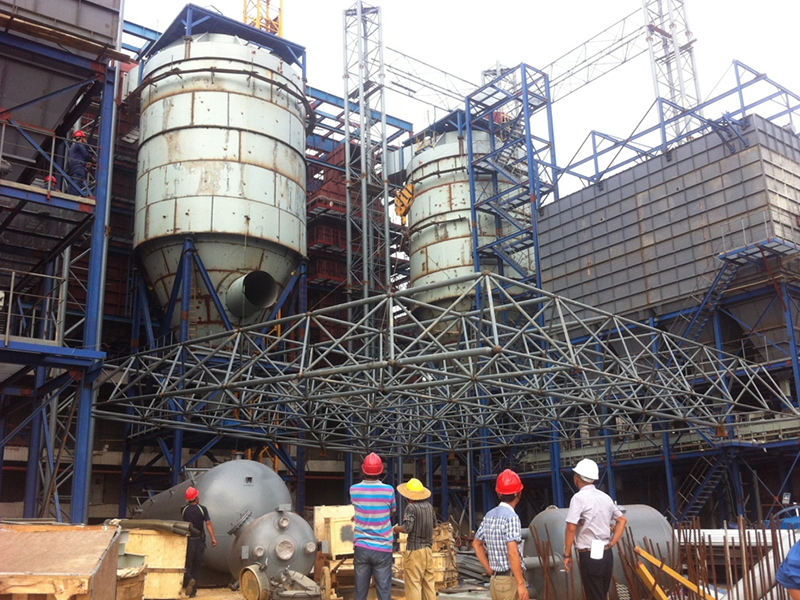
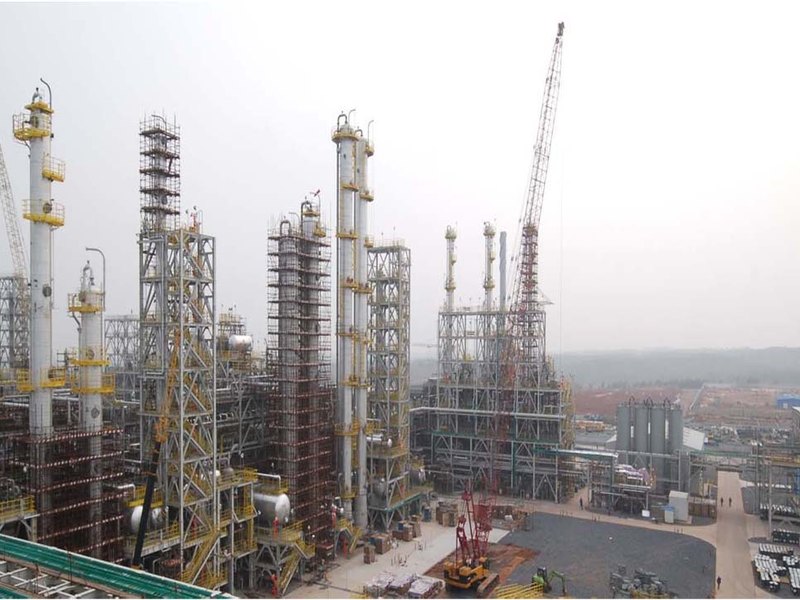
A waste-to-energy facility combines a large process building with heavy equipment, boiler areas, flue-gas systems, waste handling and maintenance access. Dunbon supplies waste to energy steel structure packages developed from approved multidisciplinary drawings. Scope may include the main power plant steel frame, trusses, grid structures, boiler support structure, platforms and secondary steel.
These projects have many interfaces and a demanding erection sequence. Structural packages are coordinated with equipment openings, crane operations, façade support and access routes. The final load combinations, fire-protection requirements, steel grades and inspection criteria are established by the project design documents.
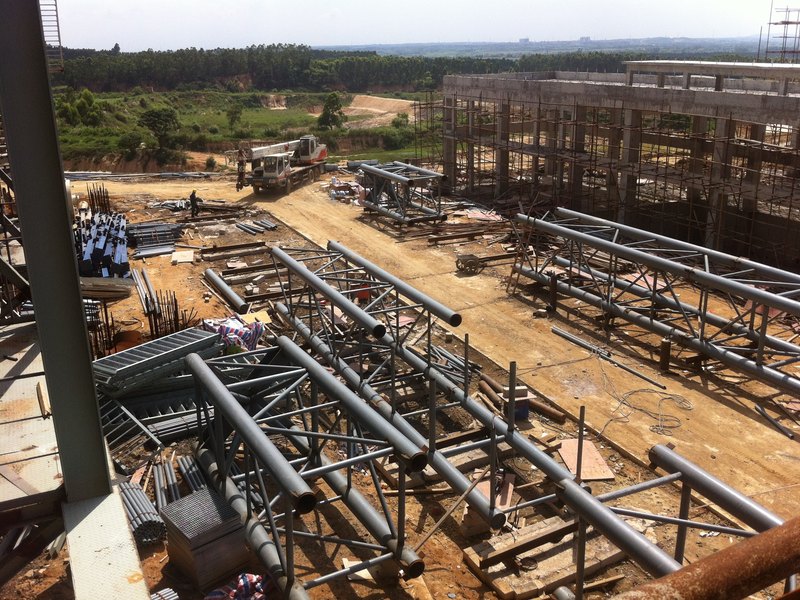
Coordinated Steelwork for Process Buildings
Incineration plant steelwork often changes significantly between the tipping hall, waste bunker, boiler house and turbine or auxiliary areas. Dunbon reviews grids, elevations, bracing zones, large openings and connection boundaries before fabrication. Members are marked by building zone and erection level, helping the site team manage a structure that may be installed around process equipment.
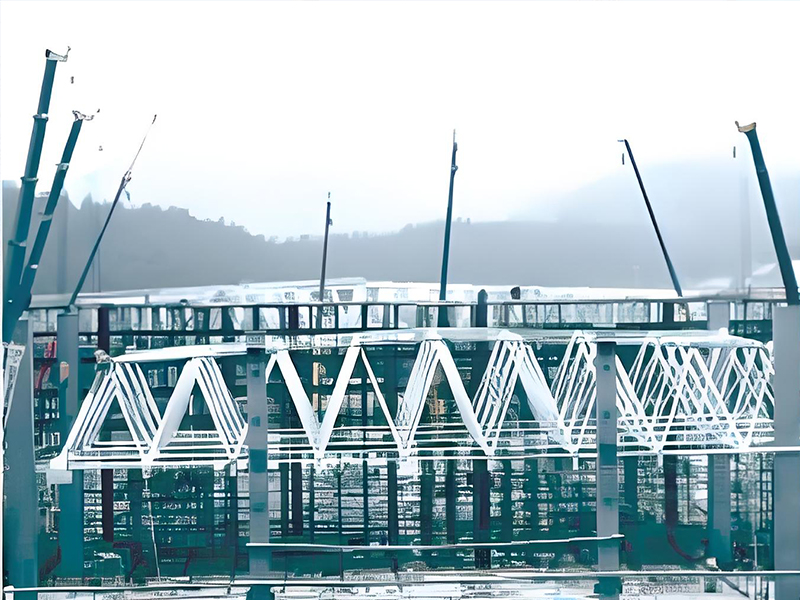
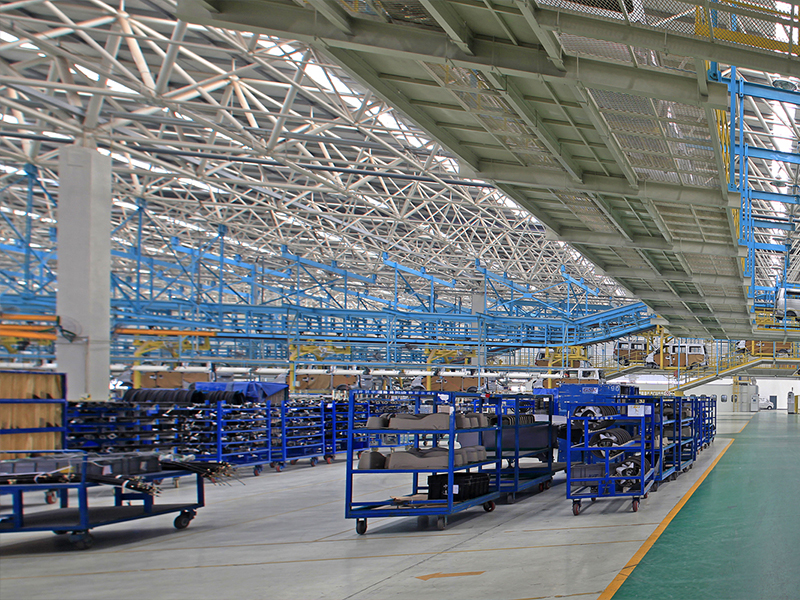
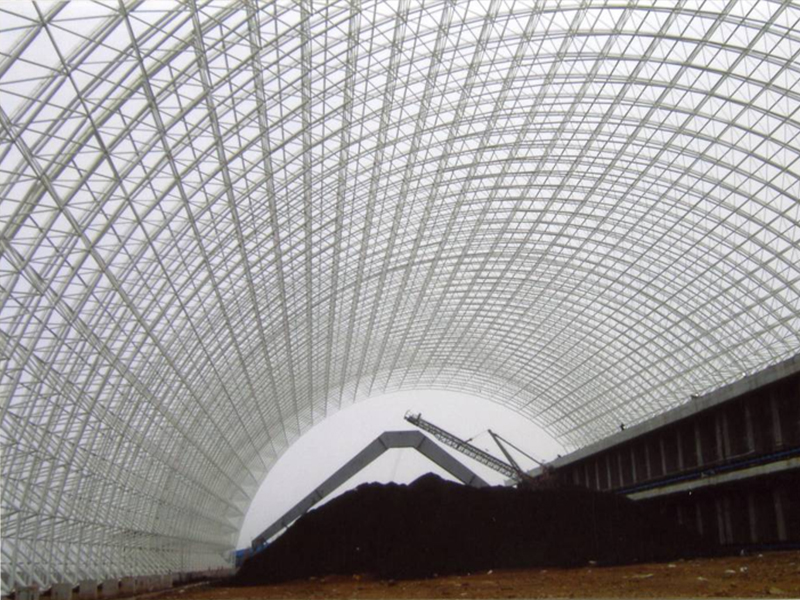
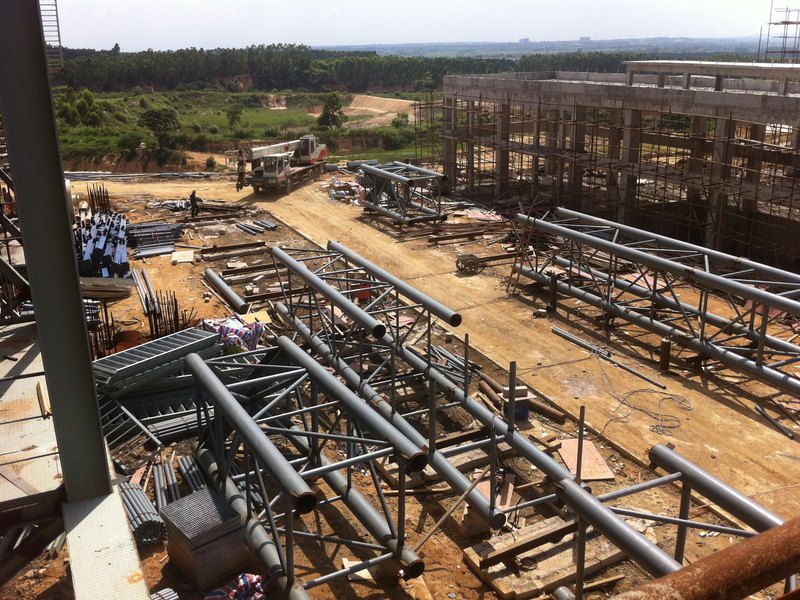
Where large roof trusses or grids are included, transport segmentation and lifting sequence are considered during detailing. Temporary stability, splice access and survey references can be incorporated into the shop package when required. Equipment-support interfaces are checked against the latest approved information before release.
Manufacturing and Quality Controls
Material verification and traceable member identification.
Fabrication of columns, beams, trusses, grids and equipment-related steel.
Controlled welding and dimensional inspection of large assemblies.
Specified non-destructive testing and surface treatment.
Trial assembly of critical connections where agreed.
Area-based packing and erection documentation for site receiving.
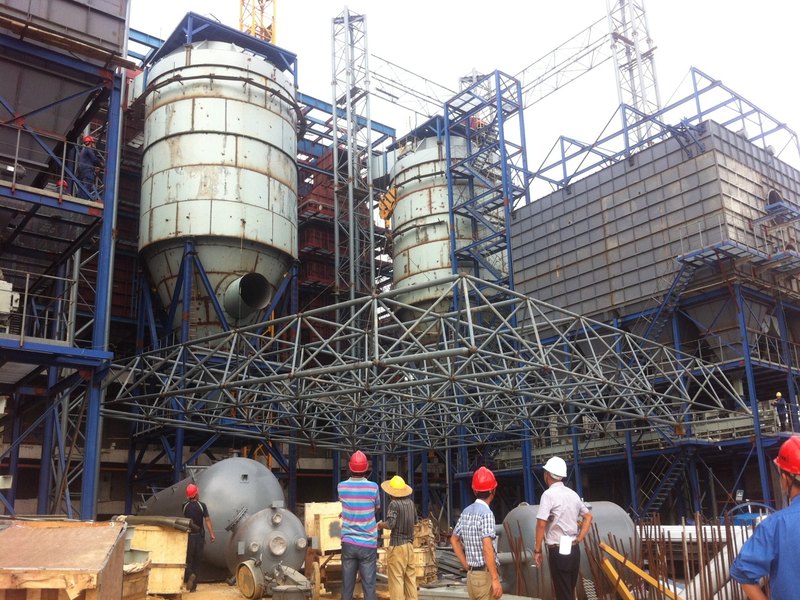
Zhanjiang Waste Incineration Project Reference
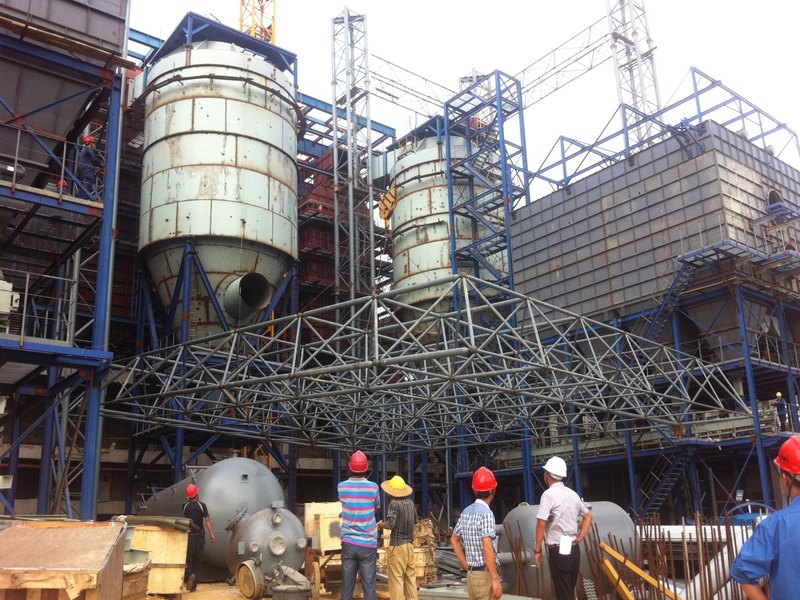
Dunbon's documented portfolio includes the Zhanjiang domestic waste incineration power plant in Guangdong. The brochure records a building area of approximately 22,000 square metres and describes truss and grid steel structure. A company presentation identifies a treatment capacity of 1,500 tonnes per day together with a 25 MW generating unit for this historical project.
These figures describe the referenced project and are not universal product ratings. Every new industrial energy building requires its own design, process layout, quantities and delivery plan.
One Fabrication Route for Multiple Structural Systems
Combining the main frame, roof system, boiler support structure and maintenance access within a coordinated fabrication workflow can simplify interface management. Dunbon can prepare shop drawings, inspection records, packing lists and erection references in the format required by the contract. Shipment is planned by zone and sequence where project logistics permit.
This service is suitable for municipal waste incineration, biomass and other industrial energy projects that use structural steel around process equipment. Send the general arrangement, design loads, equipment interface drawings, fire and corrosion requirements, inspection plan and target schedule for a detailed review.
What are Dunbon Steel Structure's core qualifications and certifications?
Dunbon holds China's Grade-1 steel structure professional contracting qualification and is a member of both China Steel Structure Association and Taicang Construction Industry Association. The company is ISO 9001 certified and complies with European (EN1090-2) and American standards. It also maintains environmental and occupational health/safety management systems, ensuring rigorous quality control across all projects.What types of projects does Dunbon specialize in?
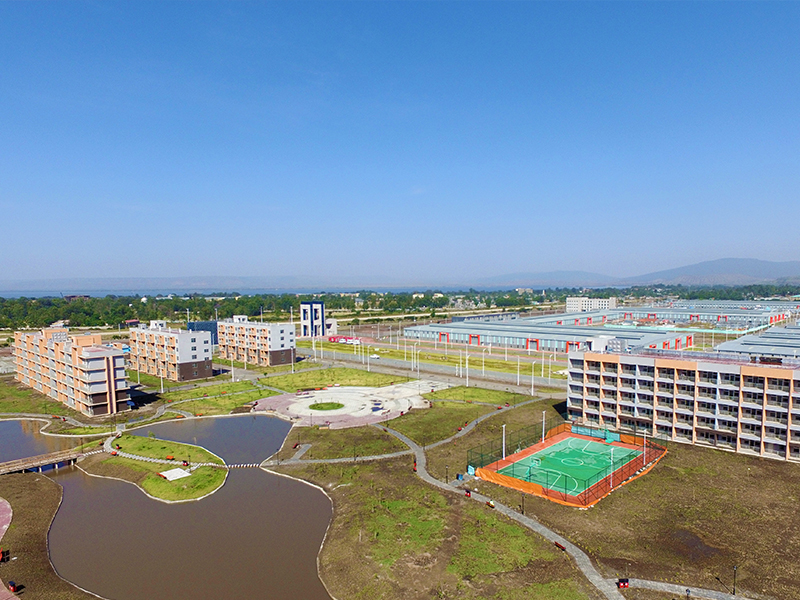
Dunbon designs, fabricates, and constructs diverse steel structures including stadiums, high-rise buildings, bridges, industrial plants, prefabricated buildings, and towers. Notable projects include the Ethiopia Hawassa Industrial Park (350,000m²), Tanzania’s Ubungo Interchange, and railway station canopies across China. The company also handles related water treatment, decoration, and HVAC systems.How does Dunbon ensure quality during production and installation?
The company follows an 8-step management flow: design review → material inspection → fabrication → QC checks (self/mutual/specialized inspections) → shipping → installation → completion acceptance → delivery. Advanced equipment like CNC drilling machines and automated welding systems ensure precision, with traceability maintained via heat number transfers.Which international markets does Dunbon serve?
Dunbon’s projects span over 15 countries, including the US, Germany, Japan, Australia, Ethiopia, UAE, and Bangladesh. Key overseas achievements involve industrial parks in Ethiopia, a paper mill in Belarus, and structural work for Japan’s Mitsubishi. The sales network emphasizes global collaboration and technical support.What is Dunbon’s operational capacity and business philosophy?
Founded in 2010 with a registered capital of ¥170 million and a total investment of ¥550 million, Dunbon operates from a 160,000m² facility in Jiangsu. Its philosophy—"Treat people with enthusiasm, work hard to improve quality"—prioritizes customer-centric services, full-lifecycle project support, and sustainable growth through innovation.
Related Products